• Blog
  • Docs
  • Careers
  • Get Support
  • Contact Sales
DigitalOcean
  • Featured AI Products

    Compute

    Build, deploy, and scale cloud compute resources

    Containers and Images

    Safely store and manage containers and backups

    Managed Databases

    Fully managed resources running popular database engines

    Management and Dev Tools

    Control infrastructure and gather insights

    Networking

    Secure and control traffic to apps

    Security

    Help protect your account and resources with these security features

    Storage

    Store and access any amount of data reliably in the cloud

    Browse all products

  • AI/ML

    CMS

    Data and IoT

    Developer Tools

    Gaming and Media

    Hosting

    Security and Networking

    Startups and SMBs

    Web and App Platforms

    See all solutions

  • Community

    Documentation

    Developer Tools

    Get Involved

    Utilities and Help

  • Become a Partner

    Marketplace

  • Pricing
  • Log in
  • Sign up
  • Log in
  • Sign up

Company

  • About
  • Leadership
  • Blog
  • Careers
  • Customers
  • Partners
  • Referral Program
  • Affiliate Program
  • Press
  • Legal
  • Privacy Policy
  • Security
  • Investor Relations

Products

  • Knowledge Bases
  • GPU Droplets
  • Bare Metal GPUs
  • Inference Engine
  • Data & Learning
  • Evaluations
  • Model Library
  • Droplets
  • Kubernetes
  • Functions
  • App Platform
  • Load Balancers
  • Managed Databases
  • Spaces
  • Block Storage
  • Network File Storage
  • API
  • Uptime
  • Cloud Security Posture Management (CSPM)
  • Identity and Access Management (IAM)
  • Cloudways
  • View all Products

Resources

  • Community Tutorials
  • Community Q&A
  • CSS-Tricks
  • Write for DOnations
  • Currents Research
  • DigitalOcean Startups
  • Wavemakers Program
  • Compass Council
  • Open Source
  • Newsletter Signup
  • Marketplace
  • Pricing
  • Pricing Calculator
  • Documentation
  • Release Notes
  • Code of Conduct
  • Shop Swag

Solutions

  • AI Training GPU
  • GPU Inference
  • VPS Hosting
  • Website Hosting
  • VPN
  • Docker Hosting
  • Node.js Hosting
  • Web Mobile Apps
  • WordPress Hosting
  • Virtual Machines
  • View all Solutions

Contact

  • Support
  • Sales
  • Report Abuse
  • System Status
  • Share your ideas

Company

  • About
  • Leadership
  • Blog
  • Careers
  • Customers
  • Partners
  • Referral Program
  • Affiliate Program
  • Press
  • Legal
  • Privacy Policy
  • Security
  • Investor Relations

Products

  • Knowledge Bases
  • GPU Droplets
  • Bare Metal GPUs
  • Inference Engine
  • Data & Learning
  • Evaluations
  • Model Library
  • Droplets
  • Kubernetes
  • Functions
  • App Platform
  • Load Balancers
  • Managed Databases
  • Spaces
  • Block Storage
  • Network File Storage
  • API
  • Uptime
  • Cloud Security Posture Management (CSPM)
  • Identity and Access Management (IAM)
  • Cloudways
  • View all Products

Resources

  • Community Tutorials
  • Community Q&A
  • CSS-Tricks
  • Write for DOnations
  • Currents Research
  • DigitalOcean Startups
  • Wavemakers Program
  • Compass Council
  • Open Source
  • Newsletter Signup
  • Marketplace
  • Pricing
  • Pricing Calculator
  • Documentation
  • Release Notes
  • Code of Conduct
  • Shop Swag

Solutions

  • AI Training GPU
  • GPU Inference
  • VPS Hosting
  • Website Hosting
  • VPN
  • Docker Hosting
  • Node.js Hosting
  • Web Mobile Apps
  • WordPress Hosting
  • Virtual Machines
  • View all Solutions

Contact

  • Support
  • Sales
  • Report Abuse
  • System Status
  • Share your ideas
© 2026 DigitalOcean, LLC.Sitemap.
Community

Kubernetes Challenge

author

By Kim Schlesinger

  • Published: February 10, 2022
  • 3 min read
<- Back to blog home

We are excited to share the results of our first DigitalOcean Kubernetes Challenge!

The goal of the 2021 DigitalOcean Kubernetes Challenge was to give people an opportunity to try DigitalOcean Managed Kubernetes and explore a CNCF backed technology that is part of the Kubernetes ecosystem. We wanted people with any level of Kubernetes experience – total beginners to experts –  to be able to participate, so we crafted a wide range of challenge prompts like “Deploy a scalable SQL or noSQL database cluster in a Kubernetes cluster” to “Deploy a full GitOps CI/CD implementation.”

In order to take part in the program, participants selected their challenge, created a repo, and let us know. Then we applied credits to their DigitalOcean account so they could spin up a Kubernetes Cluster and start hacking on their project. Once a participant completed their challenge, they published a write up describing how to reproduce their work. The final step was to submit a PR against our Kubernetes Challenge Github Repo so we had all the projects in one place.

Anyone who submitted a complete project was awarded three prizes: $150 to donate to open source projects through Open Collective, a $100 gift card to be used at the DigitalOcean Swag Store, and a $50 gift card to be used at the CNCF Store.

We had a tremendous amount of participation for our inaugural DigitalOcean Kubernetes Challenge with 209 people submitting completed projects and earning the prizes. 

The Community  

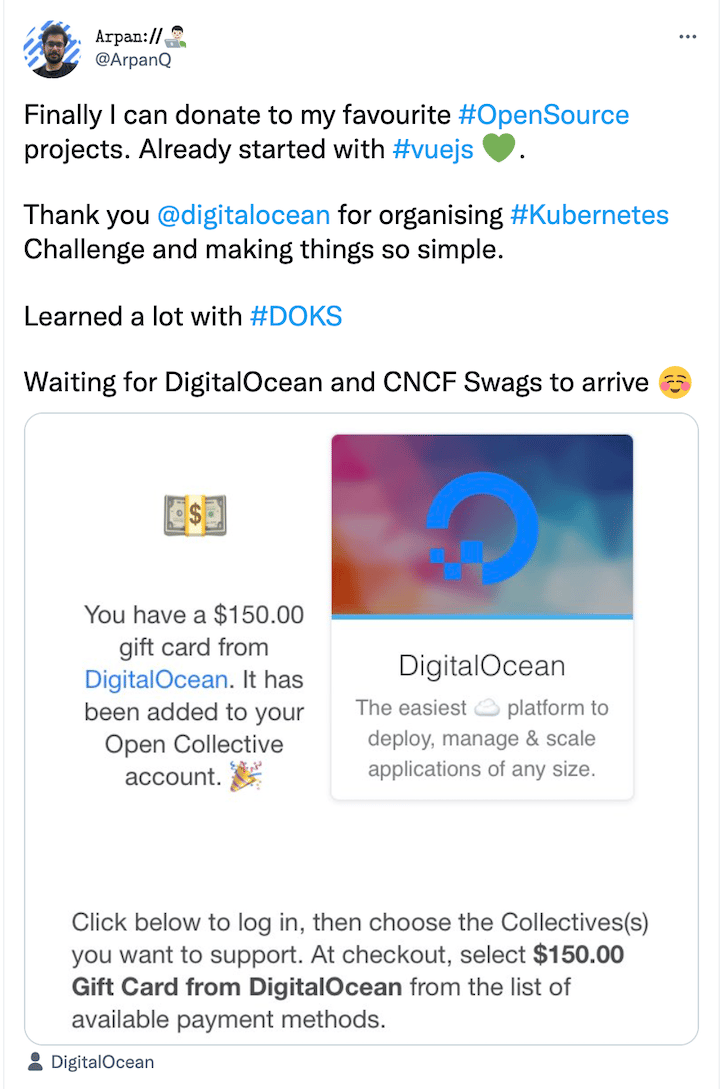
Like Hacktoberfest and our Navigators Program, a supportive community was at the heart of the Kubernetes Challenge. We had an active Discord room where participants helped each other out when someone had a technical issue and cheered each other on when their project was finished.  We also loved seeing people share their work on social media, like this tweet from Arpan Adhikari showing that he’d used his Open Collective credits to donate to the Vue project. 
Projects We Loved 

Here are some Kubernetes Challenge Projects that we thought were exceptional. 

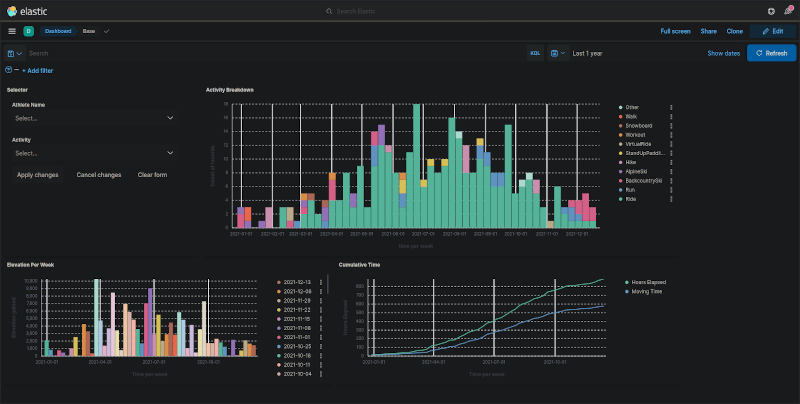
Dustin Shargool deployed an EFK (Elasticsearch Fluentd Kibana) log monitoring system that he then used to visualize his personal Strava Data. Check out his GitLab repo. 
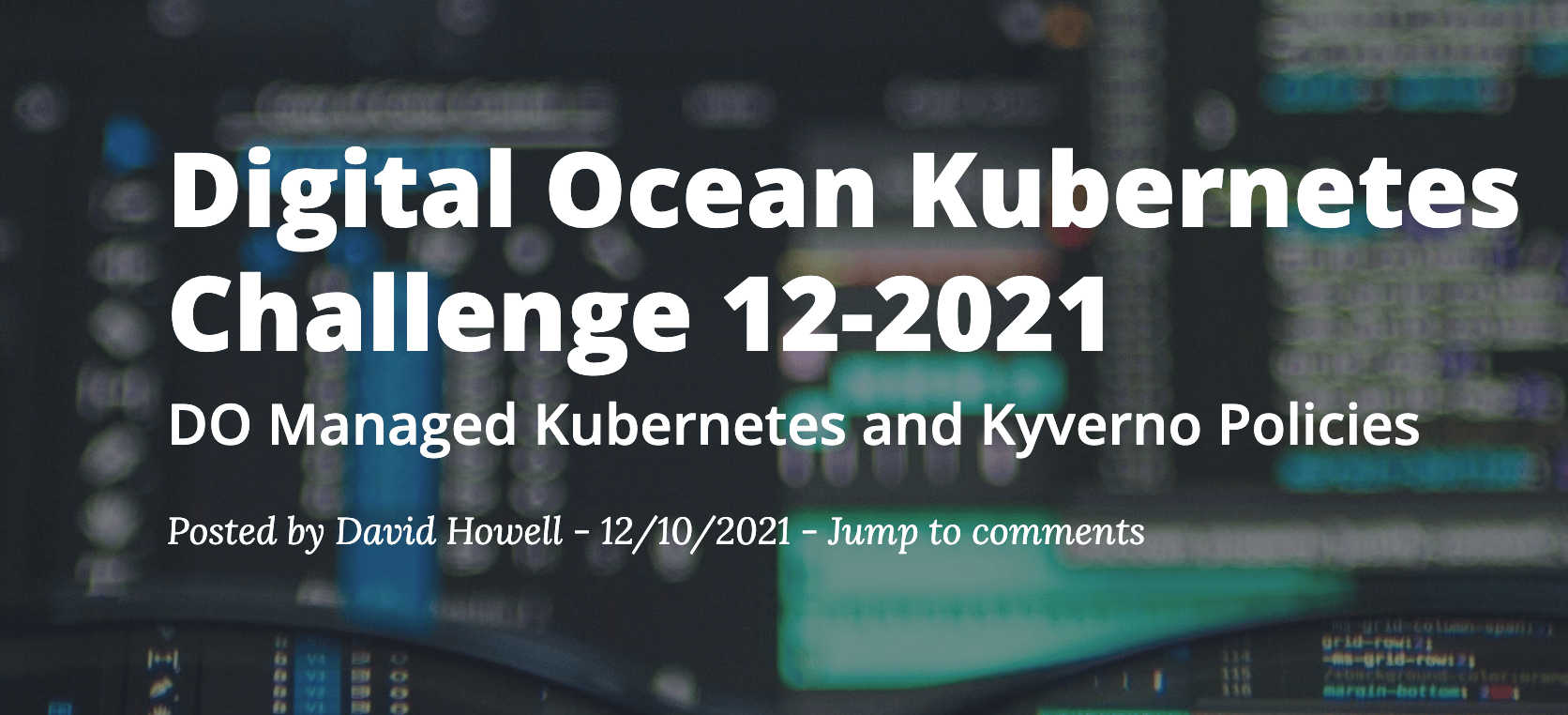
David Howell spun up a DigitalOcean Managed Kubernetes cluster with Terraform and then set up a policy enforcement system with Kyverno. His blog post is here: DO Managed Kubernetes and Kyverno Policies.
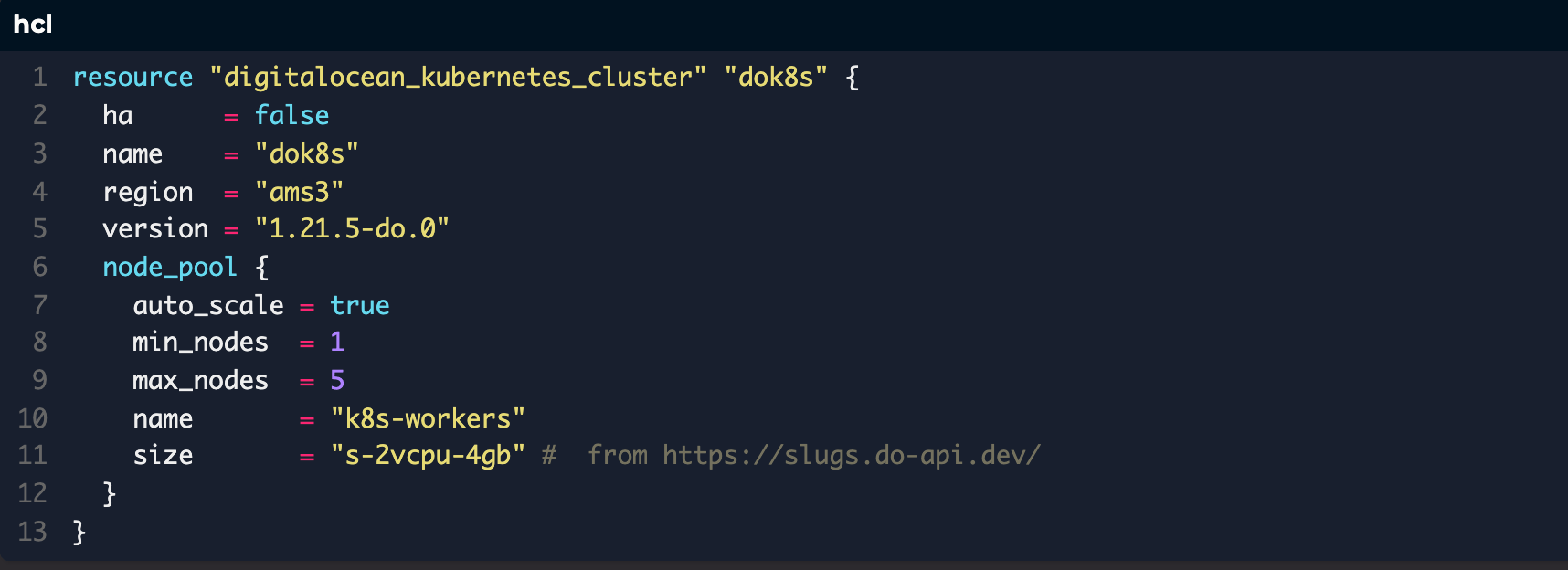
Sudhanva Narayana created a DigitalOcean Managed Kubernetes cluster with Terraform and then installed the machine learning platform, Kubeflow. You can find his instructions here: Install Kubeflow on Digital Ocean Managed Kubernetes (with Terraform).
Sathyajith Bhat set up a GitOps CI/CD pipeline with Argo and Tekton and deployed a Wordle-like application to test the system. You can read more about his process here: Taking on the DigitalOcean Kubernetes Challenge - GitOps CI/CD with Argo CD and Tekton.
Looking Ahead

We are grateful that so many of you decided to join the DigitalOcean Kubernetes Challenge. We’re reflecting on what went well and what we can do better next time so we can improve these events. Keep an eye on our Twitter account and the Kubernetes Challenge Page for our next challenge.

About the author

Kim Schlesinger
Kim Schlesinger
Author

Share

  • Community

Start building today

From GPU-powered inference and Kubernetes to managed databases and storage, get everything you need to build, scale, and deploy intelligent applications.
Sign up

Related Articles

Open by Design: How NVIDIA and DigitalOcean Are Building the Stack for the Always-On Agentic Era
Community

Open by Design: How NVIDIA and DigitalOcean Are Building the Stack for the Always-On Agentic Era

Jess Lulka
  • June 2, 2026
  • 7 min read

Read more

AI Disruptors: How the Next Generation of Business is Being Built
Community

AI Disruptors: How the Next Generation of Business is Being Built

Dinesh Murthy
  • May 29, 2026
  • 8 min read

Read more

Heroku’s Next Chapter Is Maintenance. Yours Shouldn’t Be
Community

Heroku’s Next Chapter Is Maintenance. Yours Shouldn’t Be

Wade Wegner
  • February 9, 2026
  • 5 min read

Read more